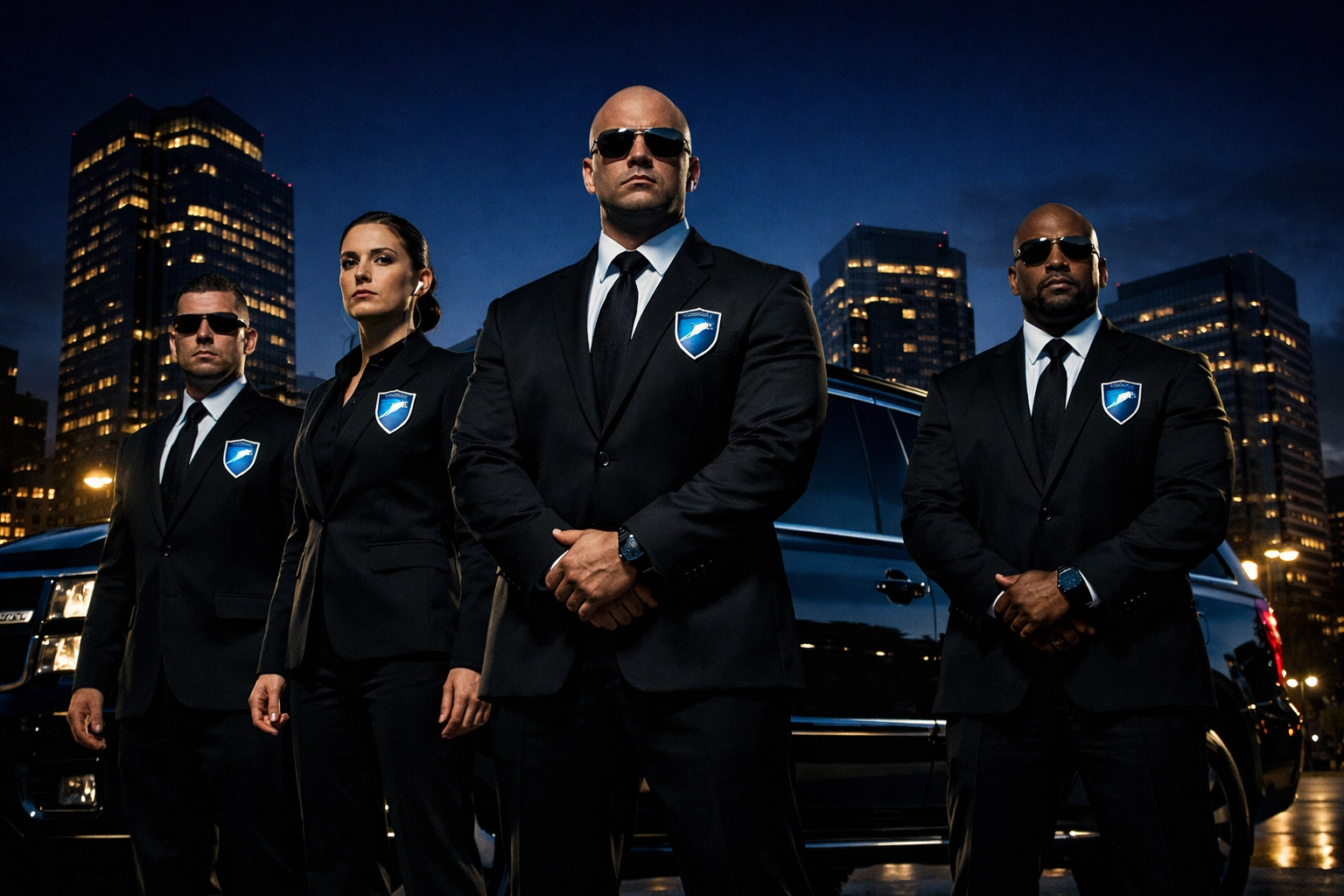

It’s a normal Tuesday in Northern Virginia: back-to-back meetings in Tysons, a quick stop in Arlington, then a late dinner in Old Town. Everything looks routine. Until it doesn’t. A stranger lingers too long near your vehicle. A social media post reveals your location in real time. A heated dispute follows you out of a building.
That’s the reality of “low-risk” days: risk doesn’t schedule itself. Elite protection isn’t about paranoia. It’s about control: of space, time, access, and outcomes. If you’re exploring bodyguard services in Northern Virginia, these 10 points will help you choose protection that’s actually effective, not just expensive.
1) “Bodyguard” isn’t a look: it’s a mission: prevent, detect, respond
Elite protection is proactive, not reactive. The job isn’t to stand there and look intimidating. The job is to prevent problems before they become incidents, then respond decisively if they do.
A professional protective detail focuses on:
- Advance planning (routes, entrances, safe rooms, staging points)
- Threat detection (behavioral indicators, surveillance awareness)
- Access control (who gets close, when, and how)
- Rapid response (medical support, extraction, coordination with law enforcement)
If a provider can’t clearly explain their prevention strategy, you’re not buying protection: you’re buying presence. And presence alone leaves your “front door wide open,” just in a nicer suit.
2) The first deliverable should be a risk assessment: every time
Protection without assessment is guesswork. Your schedule, public exposure, family situation, and travel patterns all shape the plan. A credible bodyguard service starts with a structured review, typically including:
- Known threats (workplace disputes, domestic issues, harassment, stalking)
- Public visibility (social media, high-profile role, recognizable vehicle)
- Routine vulnerabilities (predictable commutes, parking patterns, favorite locations)
- Site risks (lobbies, garages, elevators, choke points, poor lighting)
- Travel considerations (airports, hotels, events, secure transportation)
This assessment drives everything: staffing levels, armed vs. unarmed posture, vehicle requirements, and how discreet the team should be. No assessment means no strategy. No strategy means avoidable mistakes.
3) Virginia licensing is non-negotiable: verify DCJS compliance
In Virginia, professional security providers must follow standards set by the Virginia Department of Criminal Justice Services (DCJS). That matters because licensing and training separate legitimate protection from “guy-with-an-earpiece” theatrics.
At a minimum, you should confirm:
- Officers are properly registered/licensed where required
- Training is current and documented
- Firearms authorization is valid if armed protection is requested
- The company is insured and operating legally
Ask direct questions. A serious provider answers quickly and transparently. Anything evasive is a red flag: because liability follows you, not them, if corners are cut.
4) Armed vs. unarmed protection is a strategy decision: not a vibe
Armed protection isn’t automatically “better.” In many real-world scenarios: corporate environments, school functions, medical settings, high-traffic venues: unarmed executive protection can be the safer, more appropriate choice.
Your plan should consider:
- Threat level and credibility
- Environment (crowds, confined spaces, alcohol presence, family settings)
- Legal restrictions and venue policies
- Visibility needs (overt deterrence vs. discreet coverage)
A high-quality firm can provide both armed and unarmed security and explain the tradeoffs clearly. If you’re comparing options, review providers who can deliver multiple protection models: starting with armed and unarmed security as a baseline capability.
5) Discreet protection is often the most effective protection
The best protective detail blends in: until it can’t. Many clients want to maintain normal life: school drop-offs, client lunches, worship services, community events. Protection must be present without creating friction.
Professional teams can operate in different profiles:
- Low-profile (discreet): plainclothes, minimal footprint, controlled proximity
- Mid-profile: visible but not imposing, ideal for public appearances
- High-profile: obvious deterrence when threats are credible or environments are volatile
Discretion isn’t weakness. It’s tactics. By staying calm and unremarkable, your detail gains information, access, and control: the three things that stop problems early.
6) “Elite” means communication, coordination, and medical readiness
A protective agent must communicate like a professional: because seconds matter when plans change. You also need coverage that treats medical events as real threats, not rare hypotheticals.
Your protection should include:
- Clear comms protocols (radios/secure apps, code words, escalation steps)
- Emergency medical readiness (First Aid/CPR/AED training)
- Incident documentation and professional report writing
- Coordination with venues, staff, drivers, and: when needed: law enforcement
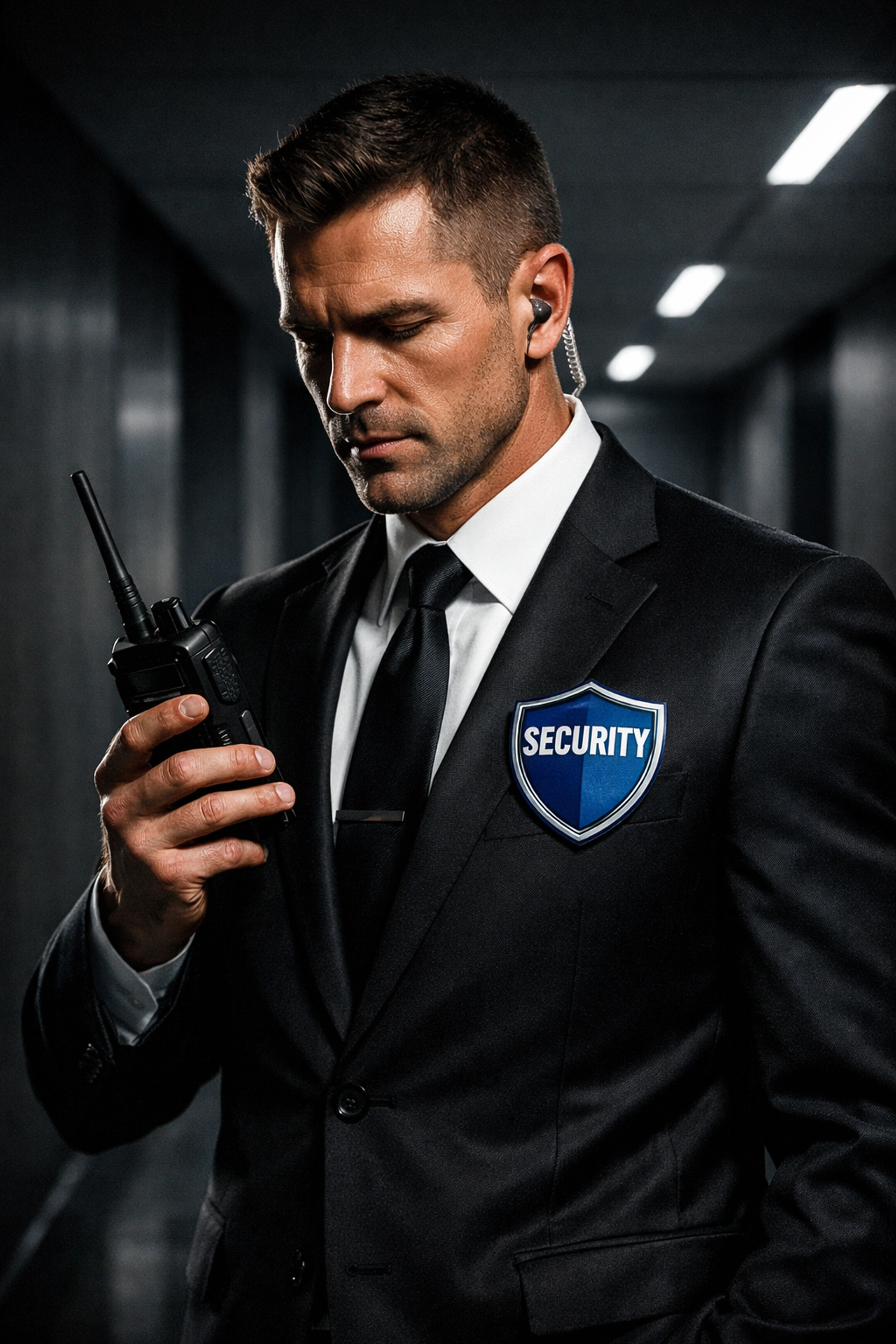
A practical question to ask: “If I have a medical emergency in a parking garage or at an event, what happens in the first 60 seconds?” A serious provider answers that immediately: with a real process, not vague reassurance.
7) Secure transportation and route planning are part of personal protection
Many threats occur in transition: parking lots, curbside pickups, hotel entrances, and traffic stops. Elite protection treats movement as a core risk area and builds a transportation plan around it.
Look for capabilities like:
- Pre-planned routes with alternates (and real-time adjustments)
- Safer loading/unloading procedures (“door discipline”)
- Protective driving principles (spacing, escape lanes, controlled stops)
- Coordinated arrival timing to reduce exposure
If your situation involves valuables, sensitive materials, or high-risk routes, it can overlap with escort-style coverage such as cargo and escort security: not because you’re transporting cargo, but because the same operational discipline applies.
8) Events change everything: your risk multiplies with every attendee
A private dinner is one thing. A fundraiser, gala, conference, or speaking engagement is another. Events add unknown people, unpredictable movement, and public attention: the perfect conditions for incidents.
Elite event-linked protection includes:
- Advance walkthroughs (entries/exits, choke points, restrooms, backstage)
- Controlled access (credentialing, guest verification when needed)
- Buffer zones around you and your party
- Coordination with event staff, venue security, and local authorities
- Clear extraction plans if the room turns
If you’re planning a high-attendance appearance, don’t treat protection as an add-on. Tie it directly to event operations. For larger gatherings, dedicated planning aligned with special event security can prevent chaos before it starts.
9) Technology should increase awareness: not create noise
Modern protection isn’t just manpower. Equipment and reporting tools help teams stay proactive, accountable, and faster in response.
Useful tools include:
- Reliable communication equipment and redundancy plans
- GPS-aware patrol/check-in procedures when appropriate
- Real-time incident logging and consistent reporting
- Coordination tools for multi-agent coverage
- Vehicle-based visibility when deterrence is needed
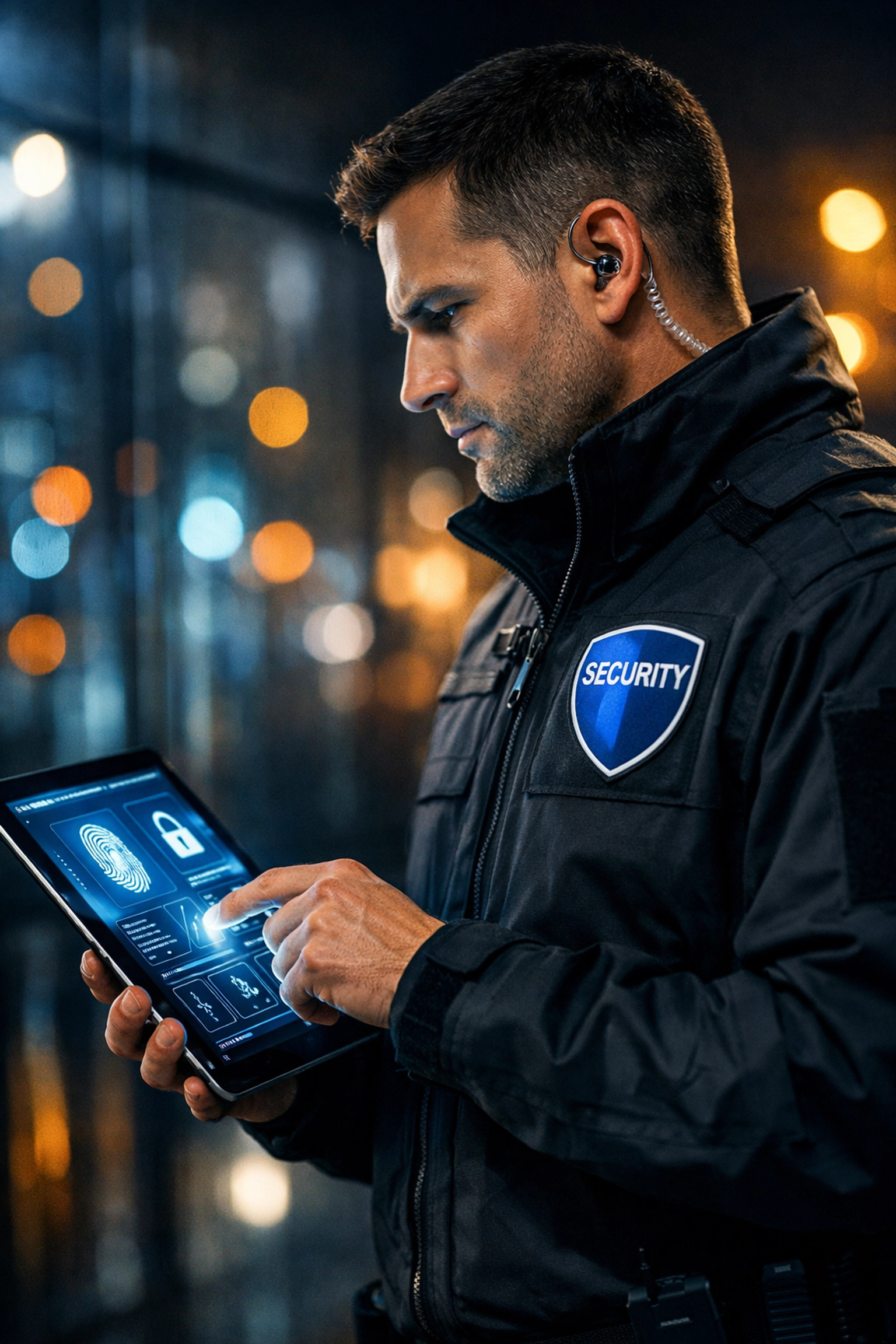
Technology must serve the mission: improved awareness, faster decisions, cleaner documentation. If a provider talks only about gadgets and not about tactics, you’re looking at marketing: not capability.
10) The cheapest option is usually the most expensive: because failure costs more
Let’s name it plainly: professional bodyguard services cost money. That’s because you’re paying for trained personnel, scheduling reliability, legal compliance, and operational planning.
But the real cost is what you avoid:
- Medical emergencies without immediate support
- Escalating confrontations that become assaults
- Stalking/harassment that turns into a predictable routine attack
- Public incidents that create reputational damage and legal exposure
- Family anxiety that becomes daily burnout
Price shopping without comparing training, planning depth, licensing, and coverage structure is how people end up re-hiring after a close call. Protection isn’t a luxury: it’s risk management.
What “Elite Protection” looks like in Northern Virginia (a practical checklist)
Use this checklist when interviewing bodyguard providers. You should get clear answers: not sales talk.
Operational planning
- Written risk assessment and tailored protection plan
- Advance work for key locations (home, office, venues)
- Route planning with alternates and contingencies
People and training
- DCJS-compliant staffing where required
- First Aid/CPR/AED readiness
- Professional communication and de-escalation capability
- Backgrounds that align with the role (law enforcement, military, specialized security training)
Professional standards
- Clear rules of engagement and escalation procedures
- Incident reporting that stands up to scrutiny
- Insurance coverage and documented policies
Flexibility
- Discreet, low-profile options
- Short-term coverage for events or travel
- Scalable teams when threats or schedules change
If a provider can’t deliver these basics, they’re not offering elite protection: they’re offering a uniform.
Where bodyguard services matter most in Northern Virginia (real-world scenarios)
Northern Virginia is fast, dense, and interconnected: Tysons, Arlington, Alexandria, Fairfax, Loudoun, Prince William, and the broader corridor move at full speed. That pace creates opportunities for bad outcomes when your routine is visible and predictable.
Elite protection is especially relevant for:
- Executives managing layoffs, litigation, or high-conflict disputes
- High-net-worth families needing discreet coverage at home and in transit
- Public-facing professionals dealing with harassment or online exposure
- Visiting VIPs attending meetings, conferences, or political/civic events
- Individuals navigating restraining order situations or stalking concerns
If your day includes public entrances, parking structures, predictable commutes, and social visibility, protection becomes practical, not dramatic.
How Alta Security Services approaches bodyguard protection in Northern Virginia
At Alta Security Services, the goal is simple: protect your life without hijacking it. That means proactive planning, modern equipment, and professional conduct: delivered by a team that understands how Northern Virginia actually works.
You get:
- 10+ years of experience supporting clients across Northern Virginia and Richmond
- DCJS-aligned operational standards and documentation practices
- Options for armed or unarmed coverage based on real risk: not assumptions
- Discreet protection for day-to-day life and scalable details for high-visibility moments
- Coordinated services when you need broader coverage (vehicles, properties, events)
If you’re specifically exploring personal coverage, start here: Bodyguard Protection or Personal Security.
Don’t wait for a close call: book a confidential consult today: Contact Alta Security Services