

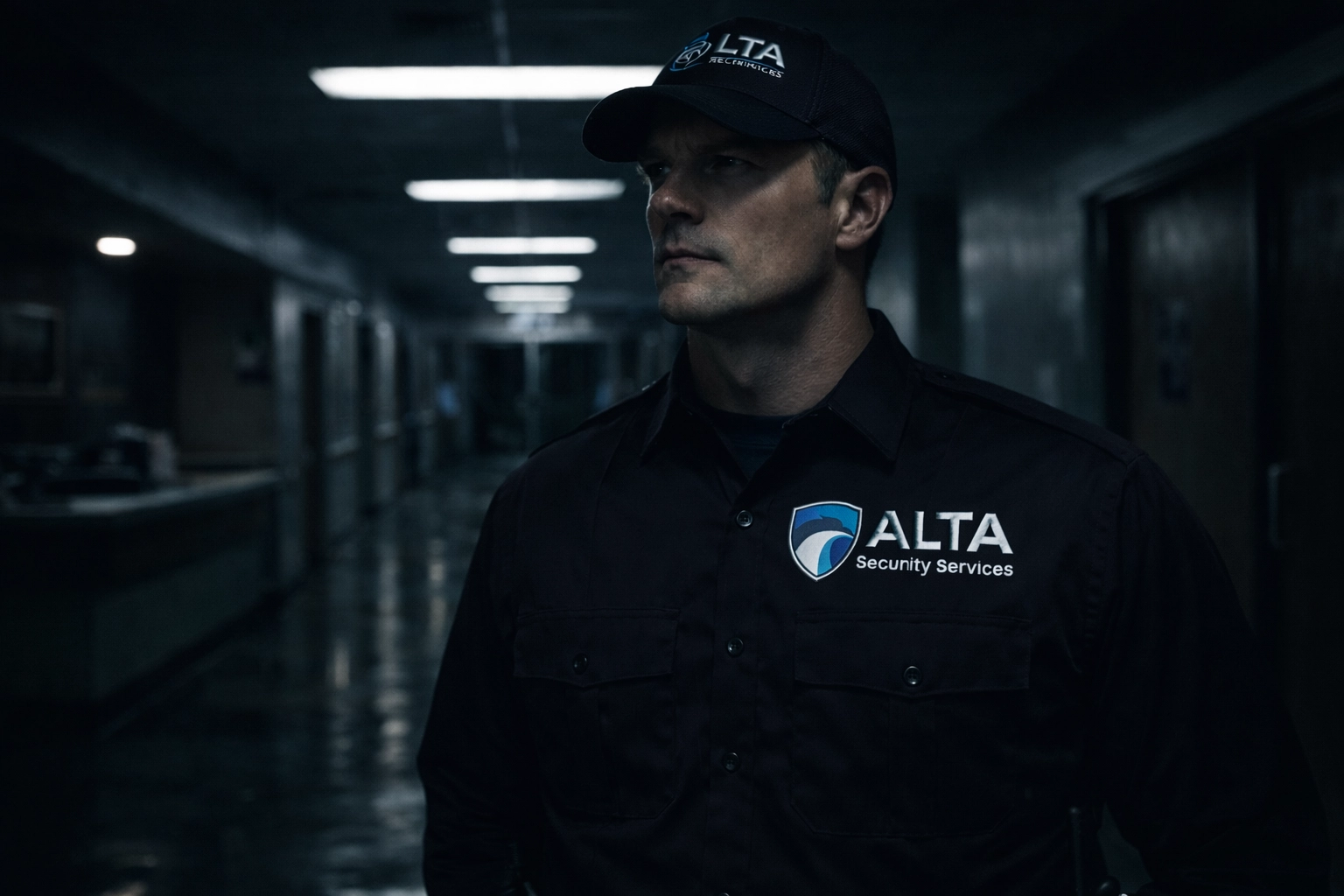
A hospital at 2 AM isn't quiet: it's a hub of controlled chaos. Emergency departments buzz with activity, nurses move through dimly lit hallways, and vulnerable patients sleep behind unlocked doors. This is when healthcare facilities are most exposed, and when the quality of your security personnel matters most.
DCJS-certified security guards aren't just a regulatory checkbox for Virginia medical centers. They're the difference between a secure healing environment and a liability lawsuit waiting to happen. If you're running a hospital or medical facility in Northern Virginia or Richmond, certification isn't optional: it's the foundation of patient safety, staff protection, and operational continuity.
What DCJS Certification Actually Means for Hospital Security
The Virginia Department of Criminal Justice Services (DCJS) doesn't hand out certifications casually. Their standards exist specifically to ensure security personnel can handle high-stakes environments where lives are literally on the line.
DCJS-certified security officers complete rigorous training that covers:
- Crisis deterrence and de-escalation techniques for managing agitated patients or visitors
- Legal parameters around patient rights, HIPAA compliance, and appropriate use of force
- Report writing standards that hold up in legal proceedings
- Emergency response protocols tailored to healthcare settings
- Background checks that screen out candidates with criminal histories
For unarmed hospital security, this means 18 hours of entry-level training covering everything from conflict resolution to proper documentation. Armed officers: necessary for some high-risk medical facilities: undergo even more extensive preparation, including firearms training and emergency medical services education.
Why Virginia Medical Centers Can't Afford Uncertified Security
Here's the reality: hospitals are chaotic, emotionally charged environments where security incidents escalate fast. An uncertified guard might know how to check IDs, but do they understand HIPAA regulations when confronting an unauthorized visitor? Can they properly de-escalate a family member in crisis without triggering a violent confrontation?
The consequences of inadequate hospital security extend far beyond stolen equipment:
Patient Safety Risks – Confused patients wander into restricted areas. Individuals experiencing psychiatric emergencies become combative. Unauthorized visitors access infant wards or pharmaceutical storage. Each scenario demands trained judgment, not just a warm body in a uniform.
Staff Protection Failures – Healthcare workers face assault rates four times higher than other private-sector employees. Nurses, doctors, and administrative staff need security personnel who can identify threats early and intervene effectively before violence erupts.
Liability Exposure – When security failures lead to injuries, lawsuits follow. Virginia courts don't look kindly on medical facilities that cut corners on security certification. One preventable incident can cost more than decades of proper security services.
Operational Disruptions – Security breaches shut down departments, trigger evacuations, and divert emergency resources. The financial impact cascades: delayed procedures, diverted ambulances, damaged reputation.
You can't afford to gamble with uncertified personnel. The stakes are too high, and Virginia law provides clear standards for exactly this reason.
The Northern Virginia and Richmond Healthcare Security Challenge
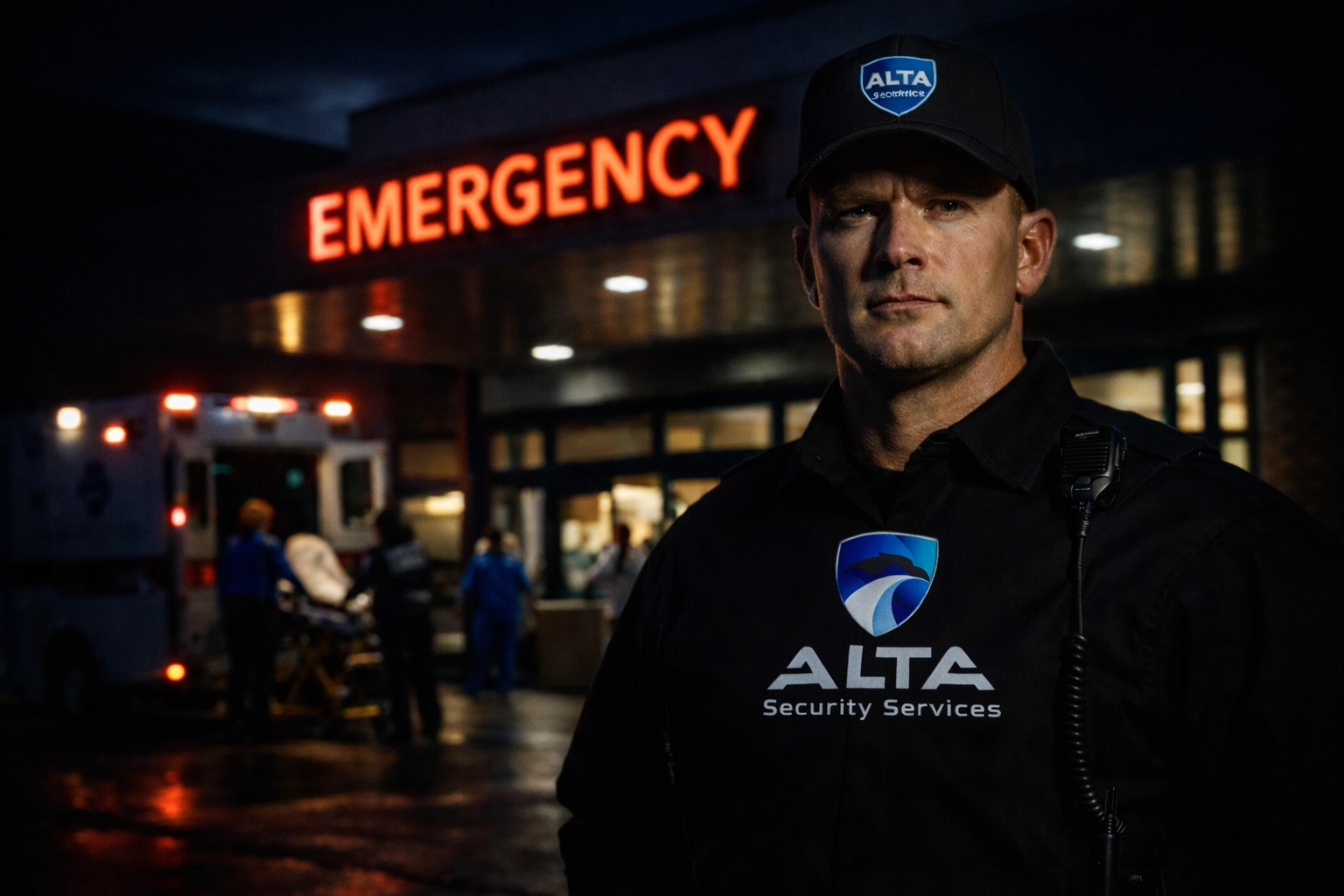
Medical centers across Northern Virginia: from Arlington to Fairfax to Prince William County: face unique security challenges that demand local expertise. High population density, proximity to Washington D.C., and diverse patient populations create complex threat landscapes.
Richmond hospitals serve both urban and suburban communities, dealing with everything from routine visitor management to active threat situations. The region's opioid crisis has also increased security demands, with more patients seeking emergency treatment while experiencing substance-related crises.
What works for hospital security in other states doesn't automatically translate to Virginia's regulatory environment and demographic realities. You need security partners who understand:
- Virginia-specific DCJS certification requirements and renewal cycles
- Local law enforcement coordination protocols for Northern Virginia and Richmond jurisdictions
- Regional threat patterns and seasonal security demands
- State healthcare regulations that intersect with security operations
Critical Components of DCJS-Certified Hospital Security Services
Certification alone isn't enough: it's the baseline. What separates adequate hospital security from exceptional protection is how certified guards are deployed, managed, and integrated into your facility's operations.
24/7 Security Guard Response
Hospitals don't close. Neither should your security coverage. 24/7 security guard response means certified personnel are present during every shift change, overnight emergency admission, and early morning visiting hour. Gaps in coverage create opportunities for incidents.
Round-the-clock protection also ensures:
- Continuous monitoring of access points and parking areas
- Immediate response to duress alarms from staff
- Consistent enforcement of visitor policies
- Rapid coordination with local law enforcement when necessary
Detailed Reporting and Documentation
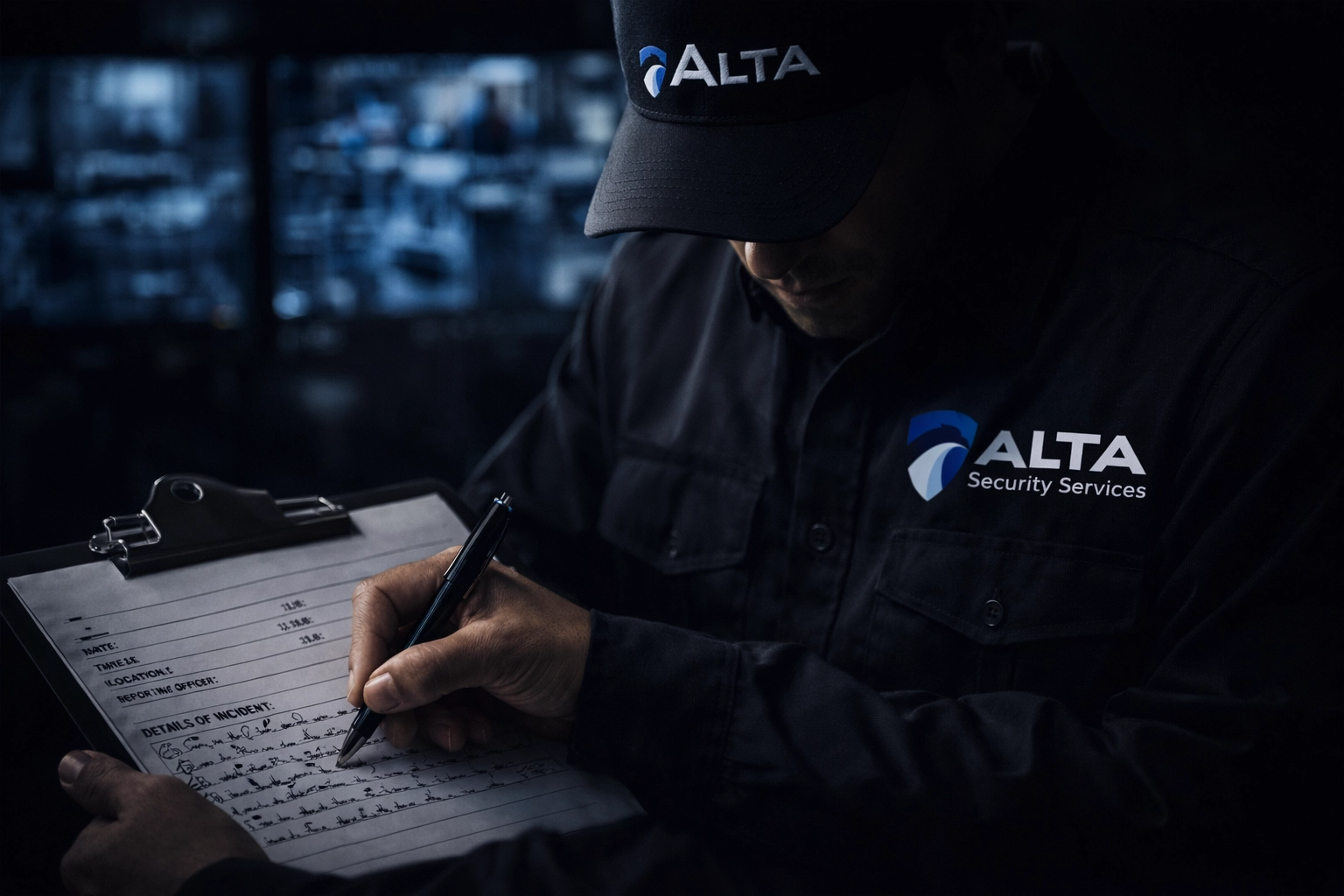
When incidents occur: and in hospital environments, they will: you need documentation that protects your facility legally and operationally. DCJS-certified guards trained in detailed reporting provide:
- Incident reports that meet legal evidentiary standards
- Real-time activity logs accessible to hospital administration
- Pattern analysis that identifies emerging security vulnerabilities
- HIPAA-compliant documentation that protects patient privacy
This level of reporting isn't just about covering your bases. It's intelligence that drives proactive security improvements.
Proactive Safety Measures
Reactive security responds to problems. Proactive security prevents them. DCJS-certified security guards with hospital experience don't wait for alarms: they identify risks before they materialize:
- Regular patrol routes that maximize visibility and deterrence
- Access control enforcement that stops unauthorized entry before it happens
- Suspicious behavior recognition based on years of healthcare facility experience
- Coordination with nursing staff to address patient safety concerns early
Rigorous Background Checks Beyond Certification
DCJS certification requires background screening, but hospital security services VA providers worth hiring go further. Comprehensive vetting includes:
- Criminal history checks at state and federal levels
- Employment verification to confirm experience claims
- Reference checks from previous healthcare security positions
- Ongoing monitoring to flag any post-hire issues
You're trusting these individuals with access to your most vulnerable patients. Background checks aren't bureaucracy: they're essential risk management.
What 10+ Years of Proven Expertise Delivers
There's a learning curve in hospital security that can't be rushed. Guards with 10+ years of experience in healthcare settings bring institutional knowledge that fresh certifications simply can't provide:
- Threat recognition patterns developed across thousands of shifts
- De-escalation techniques refined through real-world patient interactions
- Coordination skills for working seamlessly with clinical staff during emergencies
- Regulatory knowledge that keeps your facility compliant during inspections
When you partner with a security provider offering this depth of experience, you're not just hiring guards: you're accessing decades of refined best practices specific to Virginia medical centers.
The Alta Security Services Difference for Virginia Healthcare Facilities
At Alta Security Services, we've spent years perfecting hospital security specifically for Northern Virginia and Richmond medical centers. Our approach combines DCJS certification standards with practical healthcare facility experience.
Every security officer we deploy to medical centers and hospitals undergoes:
- Full DCJS certification with ongoing education requirements
- Healthcare-specific training beyond state minimums
- Rigorous background checks that exceed industry standards
- Site-specific orientation tailored to your facility's unique needs
Our detailed reporting systems provide hospital administrators real-time visibility into security operations, incident trends, and patrol verification. You'll never wonder whether your security team is actually protecting your facility: you'll have documented proof.
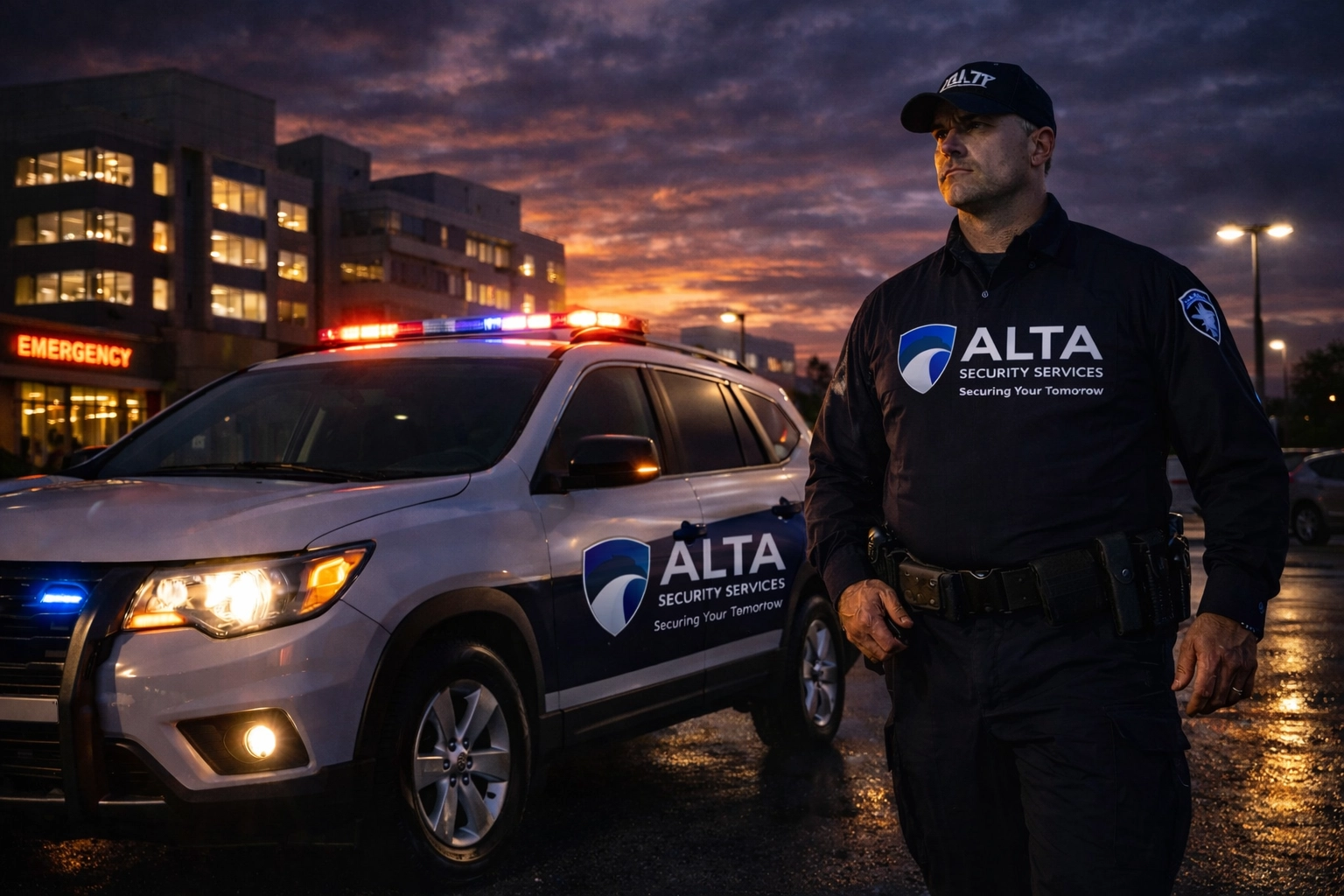
We maintain 24/7 security guard response capabilities across all our healthcare clients, with backup personnel ready to deploy when census surges or special events increase security demands. Our marked patrol vehicles: clearly displaying the Alta Security Services logo: provide visible deterrence in parking areas where staff and visitors are most vulnerable.
Making the Right Hospital Security Decision for Your Virginia Facility
Choosing hospital security isn't about finding the lowest bid. It's about protecting patients who can't protect themselves, supporting healthcare workers who face daily risks, and insulating your facility from preventable liability.
Ask potential security providers these critical questions:
- Are all guards DCJS-certified with current credentials?
- What hospital-specific training do they receive beyond certification?
- Can they provide detailed reporting systems accessible to your administration?
- Do they have experience with Virginia medical centers similar to yours?
- What's their average guard tenure and experience level?
If you're not getting clear, confident answers, keep looking. Your patients and staff deserve better.
Secure Your Medical Facility with Proven Expertise
Virginia medical centers face security challenges that demand more than generic guard services. You need DCJS-certified security guards who understand healthcare environments, regulatory requirements, and the unique threats facing Northern Virginia and Richmond hospitals.
Don't wait for an incident to reveal gaps in your security program. Alta Security Services brings the certification, experience, and local expertise that Virginia medical centers rely on for comprehensive protection.
Contact Alta Security Services today to discuss your hospital security needs. Our team will assess your facility, identify vulnerabilities, and design a security solution that protects patients, staff, and your organization's reputation. Because in healthcare, security isn't just about prevention: it's about enabling healing in an environment where everyone feels safe.